Weddings
Wedding Reception Timeline Guide

Your wedding day is a beautiful whirlwind of emotions, vows, and celebration. While the ceremony binds you in marriage, the reception is where you and your guests let loose and celebrate your new beginning — but a great party doesn’t just happen by accident. Without a clear program, events can fall behind schedule: dinner might get cold, photographers might miss the cake cutting, or the dance floor might lose its energy. A structured program ensures every transition feels natural and guests are never left wondering what comes next.
The Standard Order of Events
1. Cocktail Hour. A transition period right after the ceremony — guests enjoy drinks and light hors d’oeuvres while the newlyweds and wedding party take formal photos. Background music should be upbeat but low enough for easy conversation.
2. Grand Entrance. Your MC or wedding DJ introduces the parents, the wedding party, and finally the newlyweds — the moment to play a high-energy song that sets the tone for the evening.
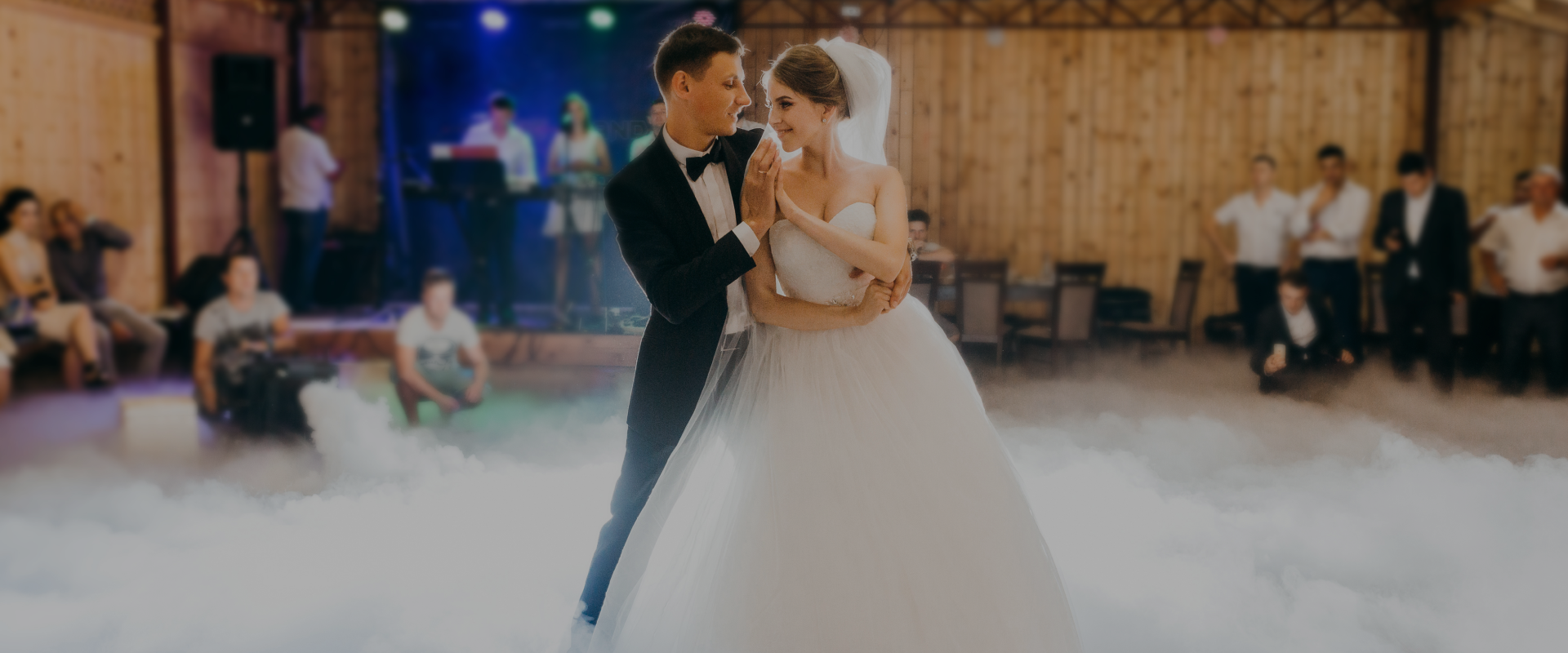
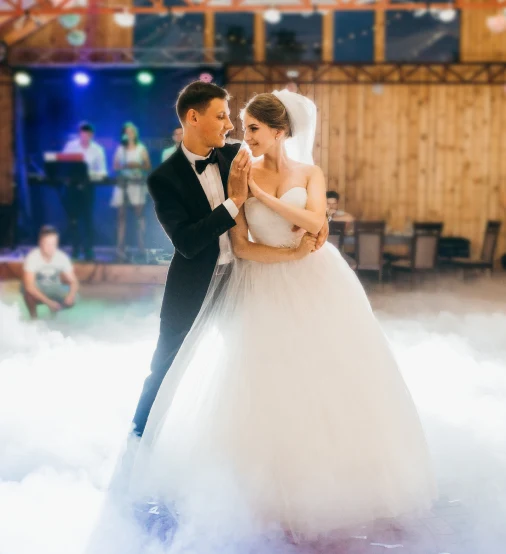
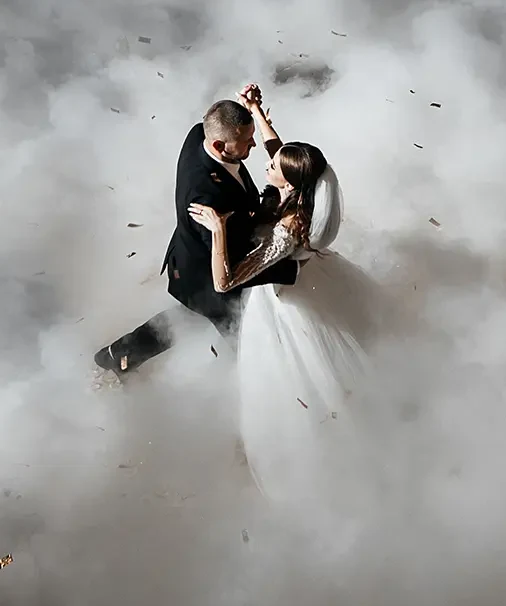
3. First Dance. Many couples move directly from the grand entrance into their first dance to keep the spotlight on them; others save it for after dinner to kick off open dancing.
4. Welcome Toast & Dinner Service. A brief toast from the host, then dinner — plated, buffet, or family-style — with background music coordinated between your catering team and DJ.
5. Family Toasts & Speeches. Best served alongside or right after dinner. A common sequence is Best Man, Maid of Honor, then a thank-you from the newlyweds — keep each to 3–5 minutes to maintain momentum.
6. Cake Cutting & Dessert. Signals that dinner is over and gives older guests a polite cue to depart before the dancing starts.
7. Parent Dances & Opening the Dance Floor. The Father-Daughter and Mother-Son dances bridge into an absolute crowd-pleaser that invites everyone onto the floor.
8. Late-Night Snacks & Grand Exit. A snack station fuels guests through a few hours of dancing, before a sparkler send-off or a final circle of love closes the night.
Sample 6-Hour Timeline
| Time | Event |
|---|---|
| 5:00–6:00 PM | Cocktail Hour |
| 6:00–6:15 PM | Grand Entrance & First Dance |
| 6:15–6:20 PM | Welcome Toast & Blessing |
| 6:20–7:30 PM | Dinner Service |
| 7:30–7:50 PM | Speeches & Toasts |
| 7:50–8:05 PM | Cake Cutting & Parent Dances |
| 8:05–10:30 PM | Dance Floor Opens |
| 10:30–11:00 PM | Late-Night Snacks & Grand Exit |
Expert Tips
Hire a professional DJ or MC. Your entertainment team directs the program — reading the room, managing transitions, and keeping the timeline on track without making it feel rushed.
Keep speeches short and structured. Long speeches are one of the most common reasons timelines fall behind; limit speakers to 3–5 minutes and let your MC manage the clock.
Build in buffer time. A 10–15 minute cushion absorbs a slow dinner service or late photos without throwing off the rest of the night.
Frequently Asked Questions
How long should a wedding reception program last? Most standard receptions run 4 to 6 hours — enough time for cocktails, dinner, speeches, and several hours of open dancing.
When should we do the bouquet and garter toss? Mid-way through the dancing portion, around the halfway point of the reception, gives guests a fun break without interrupting the party too early.
How do we handle different cultural traditions? Discuss cultural dances or rituals early with your DJ and coordinator — they’re typically best placed right after the grand entrance or right after dinner, when guest participation and energy are highest.
Planning your reception? Learn more about our wedding DJ services.